The early manor
Illuste Manor, known in German as Illust, was historically part of Karuse parish in Lääne County. Today, the manor grounds lie in Paatsalu village, Lääneranna municipality, Pärnu County. In the Middle Ages, Illuste and its surroundings were associated with the Cistercian Convent of the Holy Spirit in Lihula.
The manor was first mentioned in written sources in 1646. The earliest detailed account of its buildings dates from the late 17th century: a 1685 inventory describes eight simple log buildings with thatched roofs, including a dwelling, a granary, a stable, livestock sheds and a threshing barn.
That early group of buildings looked very different from the manor we see today. The present main building and its park setting took shape over the following centuries.
The Maydell era
From 1871, Illuste belonged to the von Maydell family. The family’s estates connected Illuste with nearby Paatsalu and Nehatu manors. Illuste was used as a summer residence and developed into a more prestigious home, while neighbouring Paatsalu served as the agricultural estate.
Illuste has also been known as the “manor of the unmarried sisters”, a name associated with three Maydell sisters who lived here. The family’s way of life and its interconnected estates form an important part of the manor’s history.
A new main building
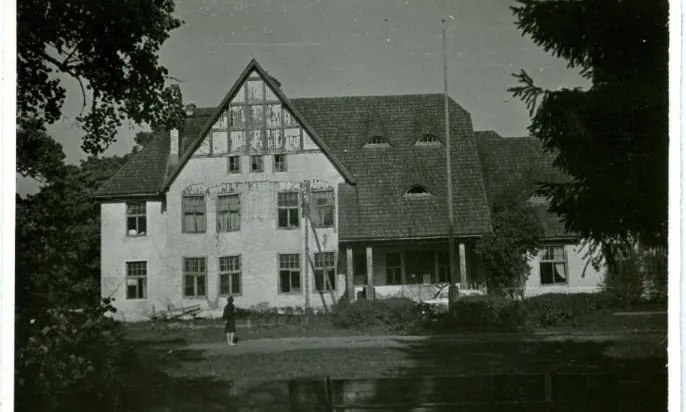
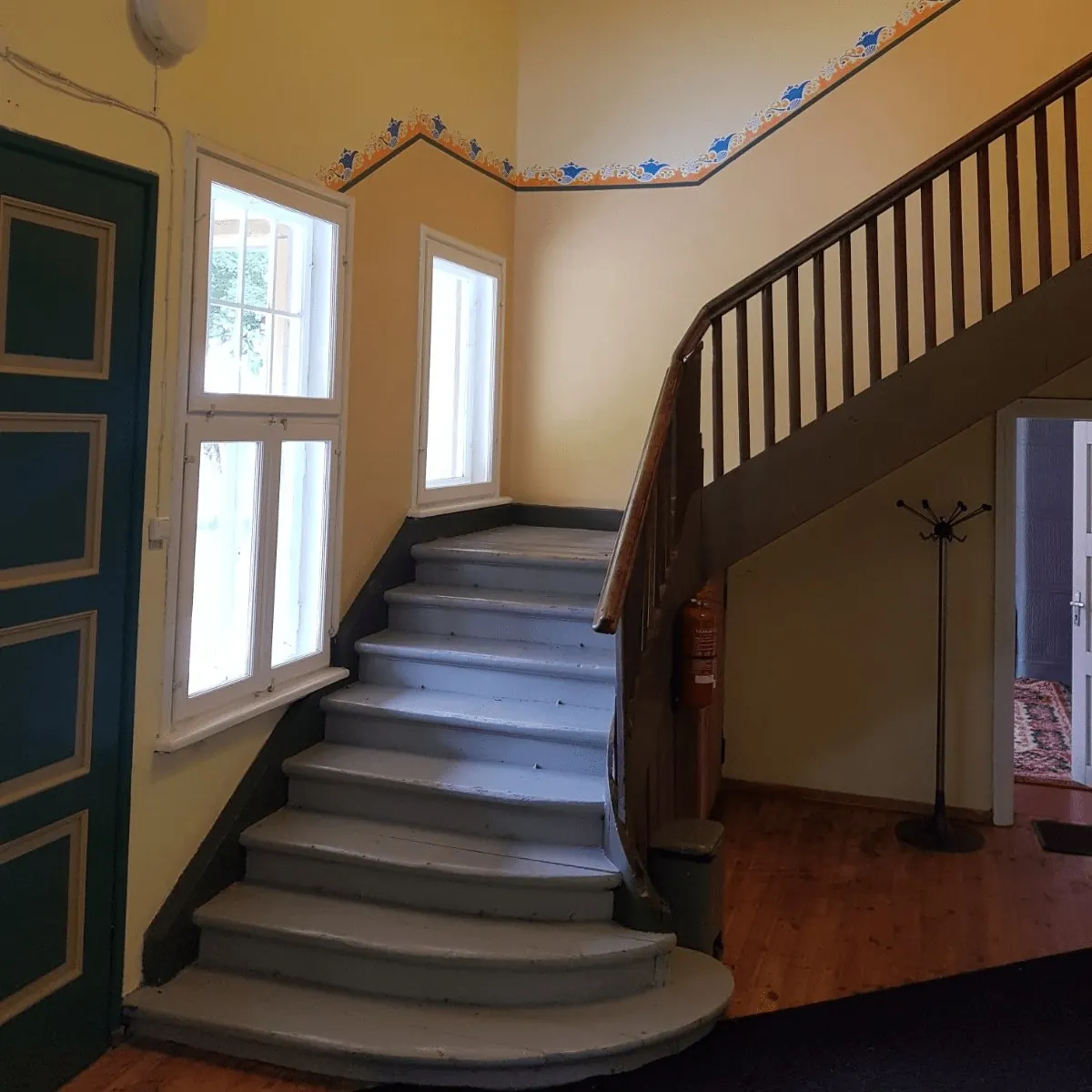
In 1909, the earlier manor house was destroyed by fire. A new two-storey main building was erected in its place, completed in 1912 to a design by Otto Wildau, an architect based in Riga.
The building combines Art Nouveau and Heimatstil influences. Its distinctive silhouette is formed by steep roofs, varied gables and timber details on the façades. The main building has become one of Illuste’s most recognisable features.
The house has largely retained its original form. One significant change is the loss of the single-storey gallery in the west wing. Comparing historical and present-day views reveals both surviving details and changes over time.
The park, neighbouring manor and family cemetery
Illuste Manor, its park and neighbouring Paatsalu formed an interconnected whole. The two parks extended close to one another, while the estates’ different uses gave each its own role.
The Maydell family cemetery lies on Illusaar, south-southwest of the manor grounds. Along with the park and main building, it recalls the family’s connection to the area. The manor’s story therefore extends well beyond the walls of a single house.
A century of change
During the violent events of 1917, the manor’s owner and two of his sisters were killed. The 1919 land reform and expropriation of the estate marked the beginning of a new era.
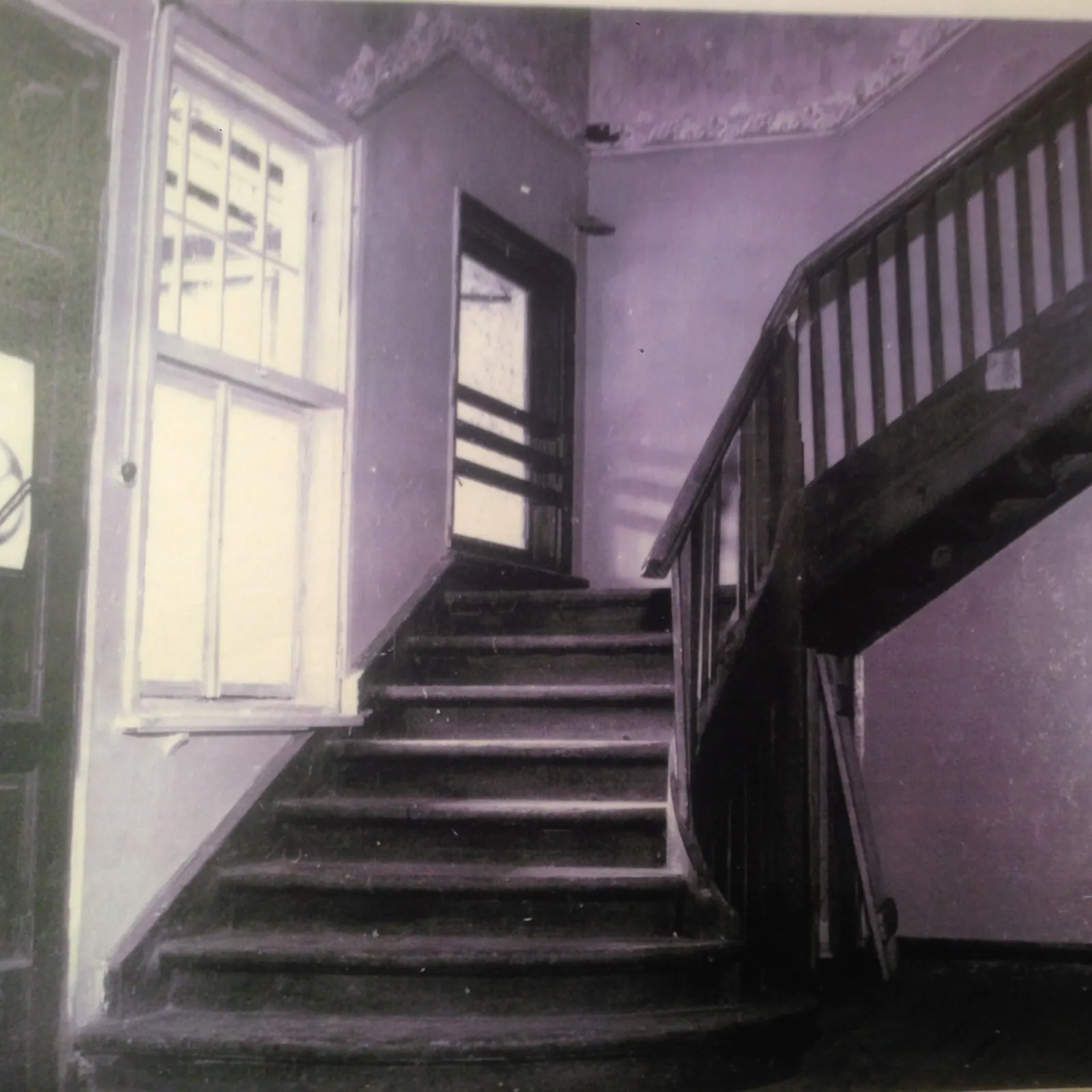
Over the years, the complex has had various occupants and uses. Border guards were stationed at the manor, followed in 1939 by Soviet troops. The owners’ home gradually became a place adapted for public use.
A place for summers and camps
For many people, memories of Illuste are closely tied to summer camps and sport. The manor was used by children’s and youth organisations from Tallinn’s Oktoobri district and later by Tallinn Kristiine Sports School.
Camps brought a different rhythm to the historic setting: days together, training and summer activities. This part of Illuste’s history continues in the sports and accommodation facilities available today.
A new chapter in the manor’s story
In May 2013, the Tallinn City Property Department held a public written auction to sell the manor complex. The winning bidder was the non-profit association MTÜ Siili Palliklubi.
Illuste Mõis OÜ was established in April 2014 to manage, restore and develop the manor. This began a new stage in preserving the historic site and developing its uses.
History lives on
In 2015–2016, the main building’s roof was restored and its exterior repaired. The work helped preserve the manor’s distinctive architecture and laid the foundation for further development.
Today, Illuste brings together the tranquillity of the manor park, saunas, summer accommodation and sport. Its story continues with every group that gathers here.
Read about the restoration